
The night watch
Listening beyond the glass
On fogbound nights, the work was as much about sound as sight: the machinery, the sea, and the measured rhythm of the signal.
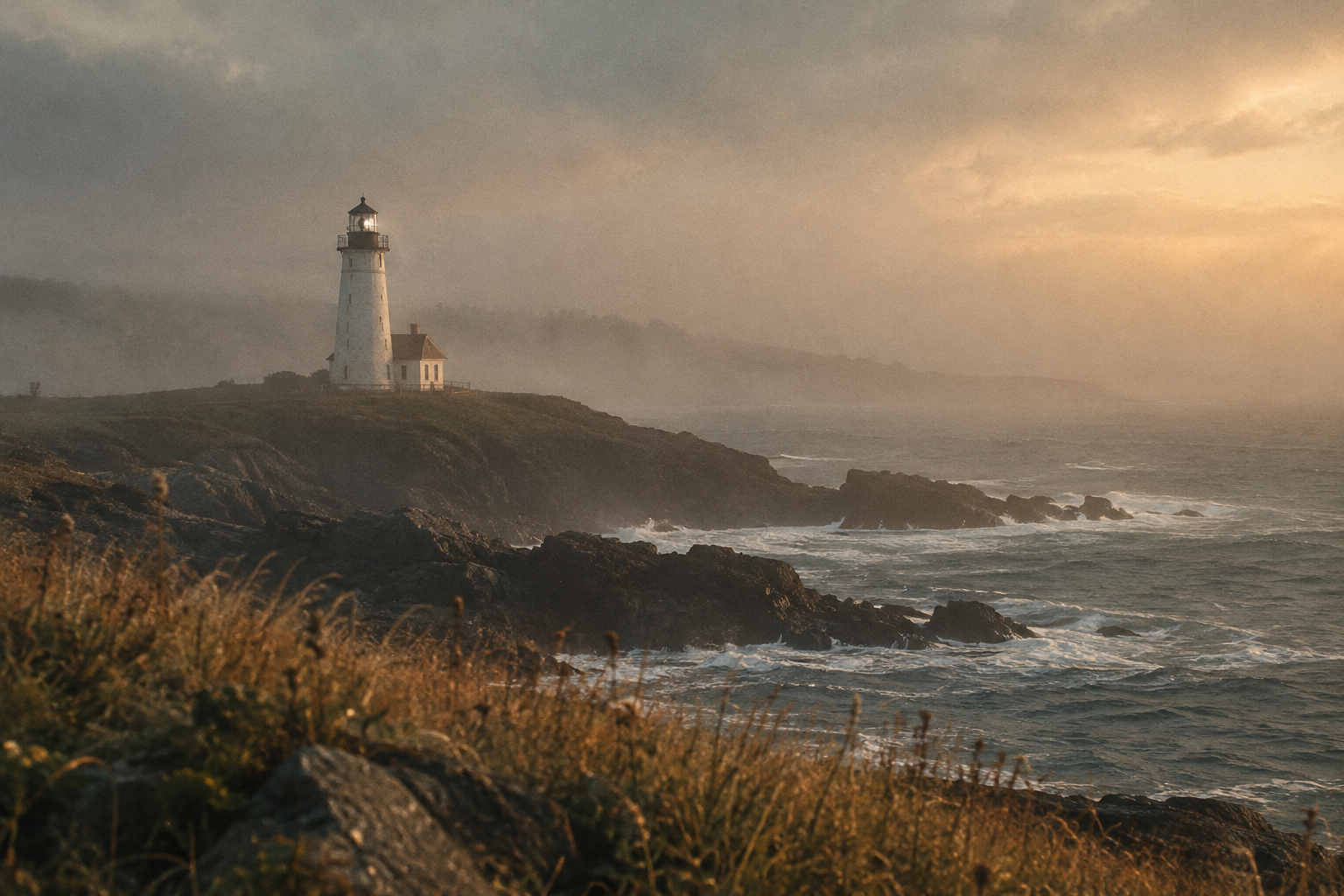
Northern Coast Lighthouse Archive
Photographs, keeper stories, and preserved towers from a shoreline shaped by fog, wind, and working light,
A visual record of life along the northern lights.
History Timeline
From hand-trimmed wicks to modern navigation systems, methods changed along the northern coast while the purpose remained steady: guide mariners safely home.
Early coastal warnings relied on elevated fires, daymarks, and local knowledge to mark dangerous approaches.
Stone and brick towers brought stronger, more visible beacons to exposed points along the coast.
Keepers trimmed wicks, polished lenses, recorded weather, and maintained the station through long isolated seasons.
Improved optics and machinery extended range while fog signals added another layer of guidance in poor visibility.
Surviving towers now carry architectural, social, and navigational history into the present.
Keeper Stories
Interpretive glimpses drawn from common keeper duties and archival practice; these vignettes are historical composites, not direct quotations.
The night watch
On fogbound nights, the work was as much about sound as sight: the machinery, the sea, and the measured rhythm of the signal.
The family station
Daily life unfolded around the lantern schedule, with meals, lessons, repairs, and supply days shaped by the needs of the light.
The final handover
Automation reduced the daily routine, but memory remained in logbooks, tools, and the stories carried away from the station.
Preserved Towers
Across the northern shore, surviving stations reflect different navigation duties, weather exposures, and eras of maritime stewardship.
Representative reference map — markers illustrate station types rather than survey coordinates.
Archive photography
Six documentary frames from the northern shoreline: weathered towers, keeper routines, and the harbor light that shaped daily navigation.
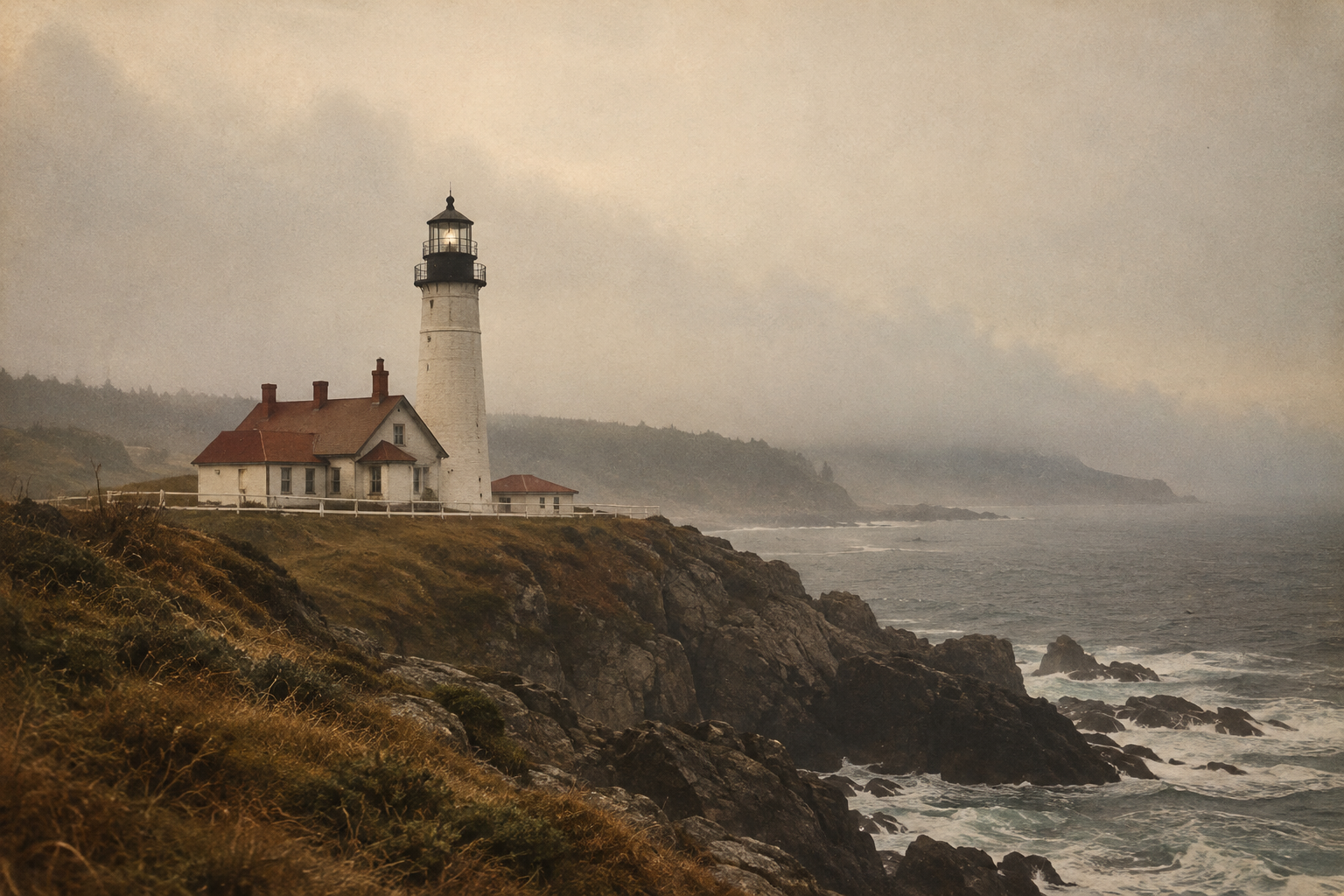
Tower on the headland
A coastal tower stands above dark water and wind-shaped grass.
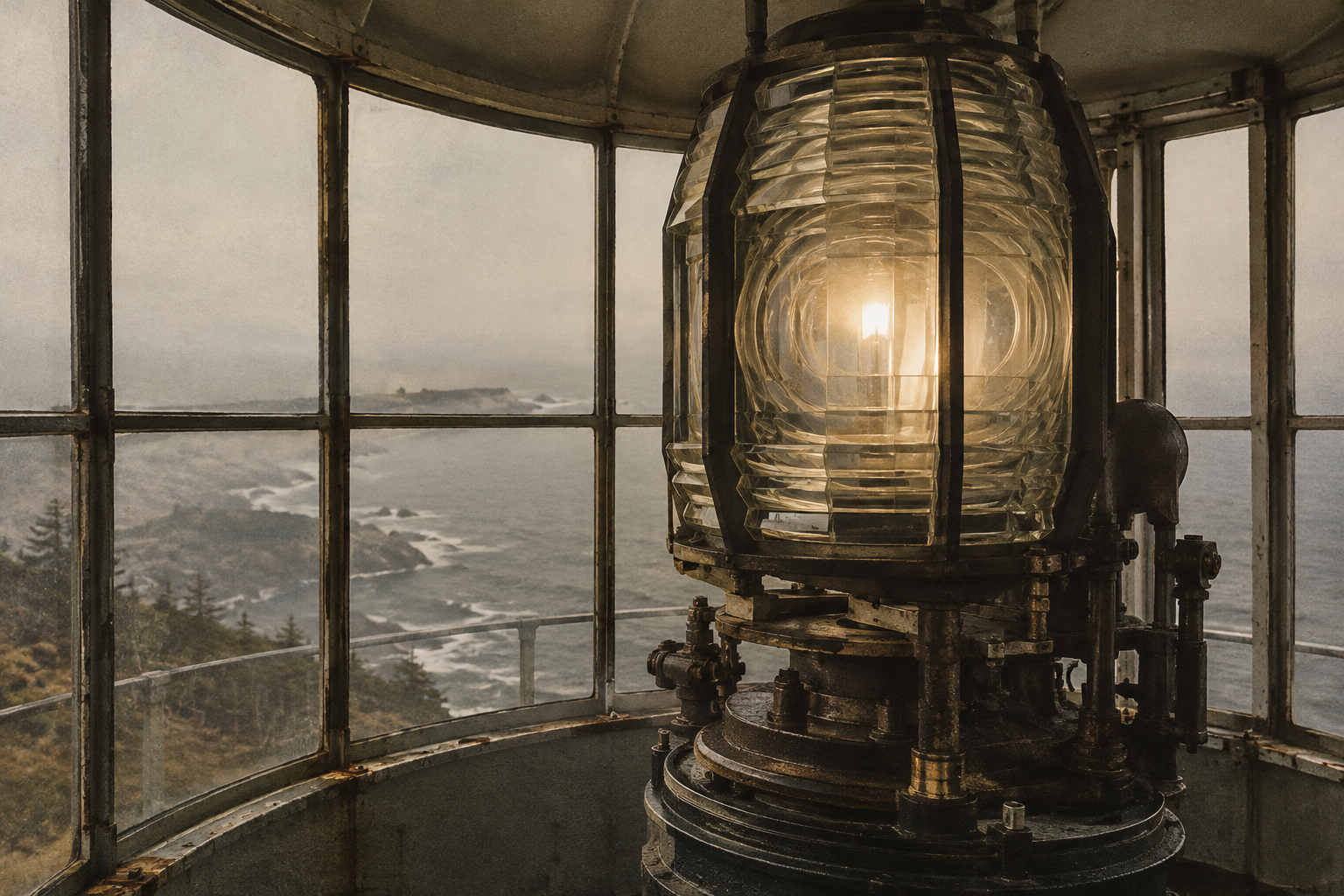
Lantern mechanism
Metalwork, glass, and careful maintenance formed the heart of the nightly signal.
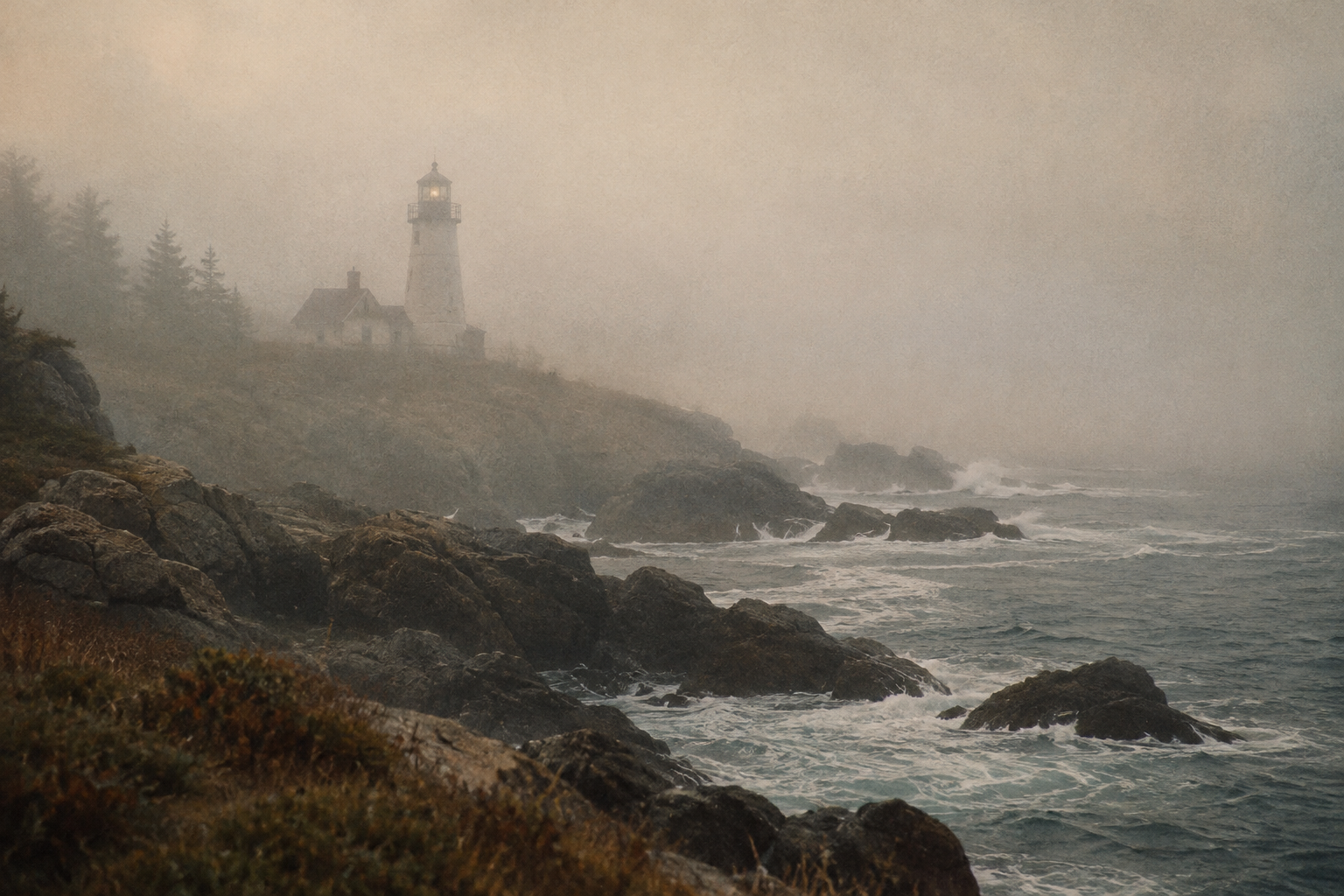
Fog over the shoreline
In poor visibility, the coast could disappear long before its hazards did.
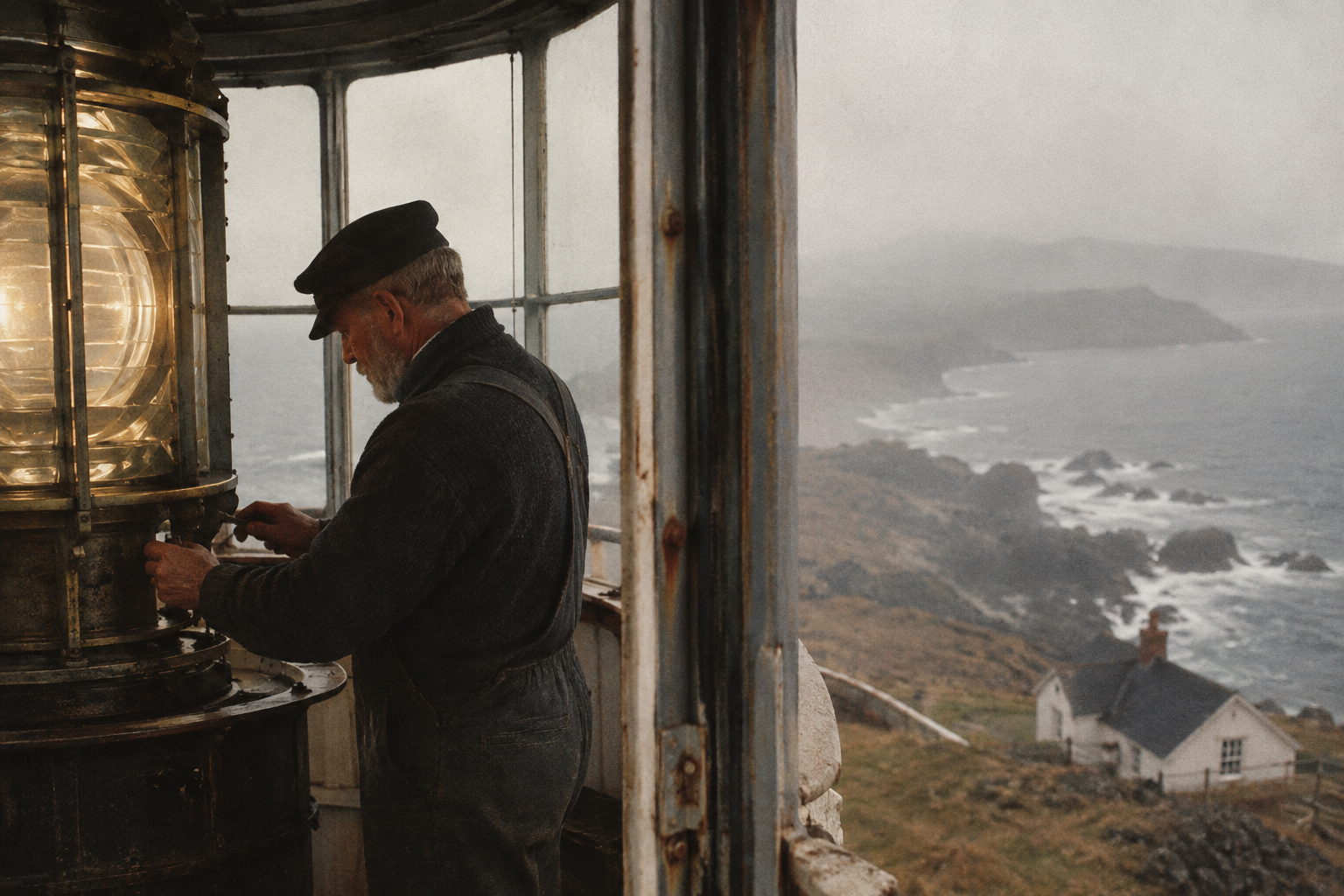
Keeper at work
Routine inspection and cleaning helped preserve the precision of the light.
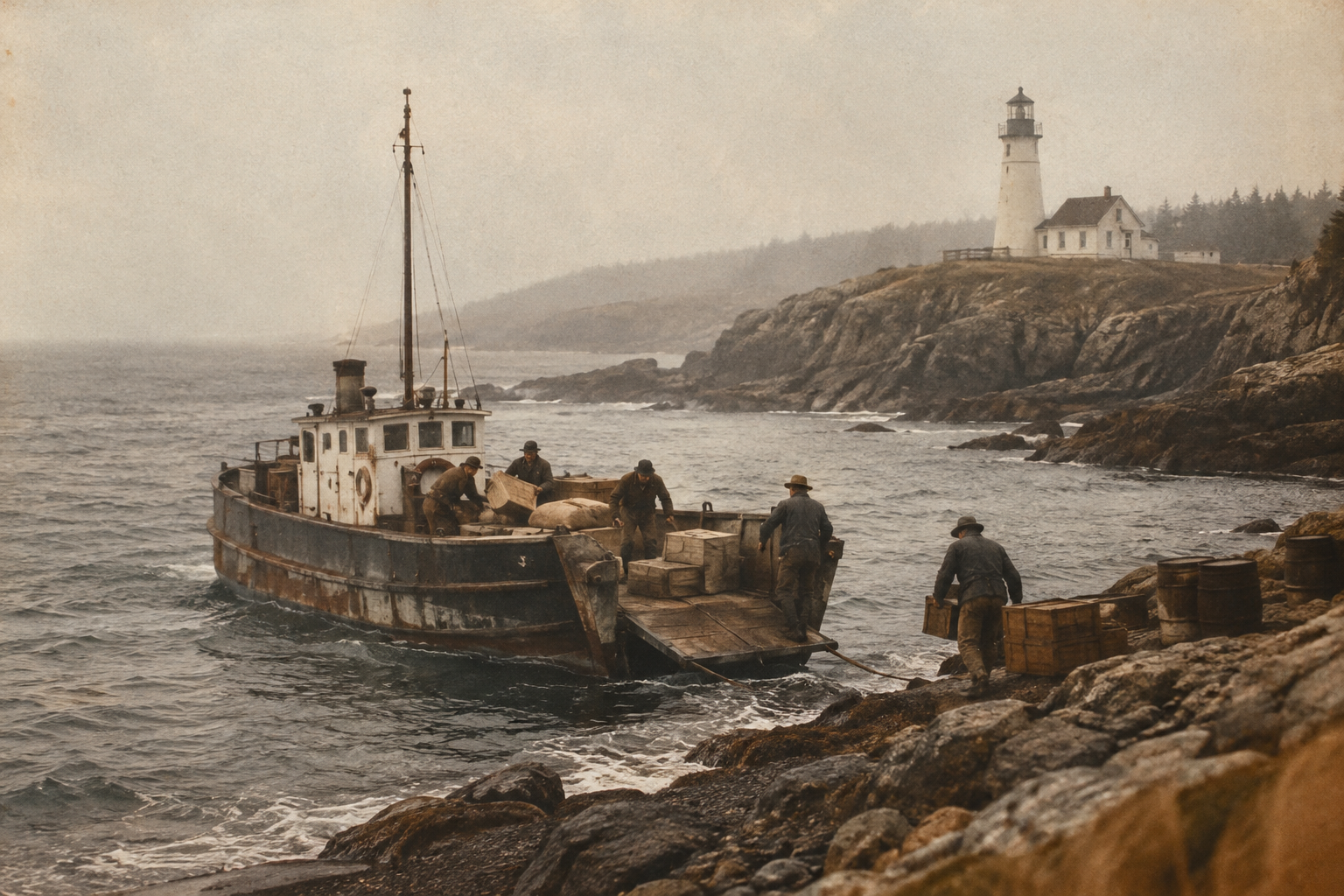
Supply landing
Weather and sea conditions shaped every delivery to an isolated station.
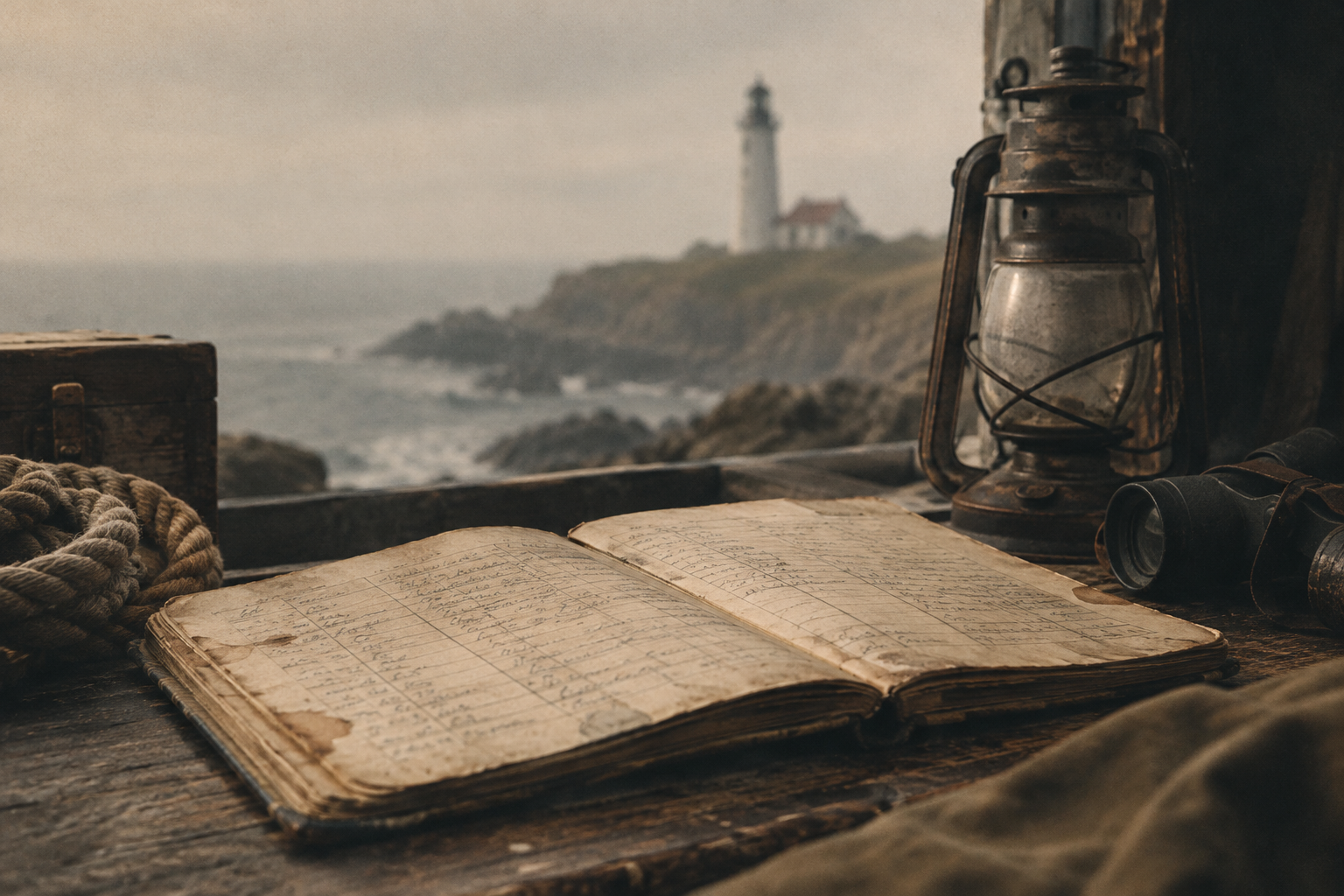
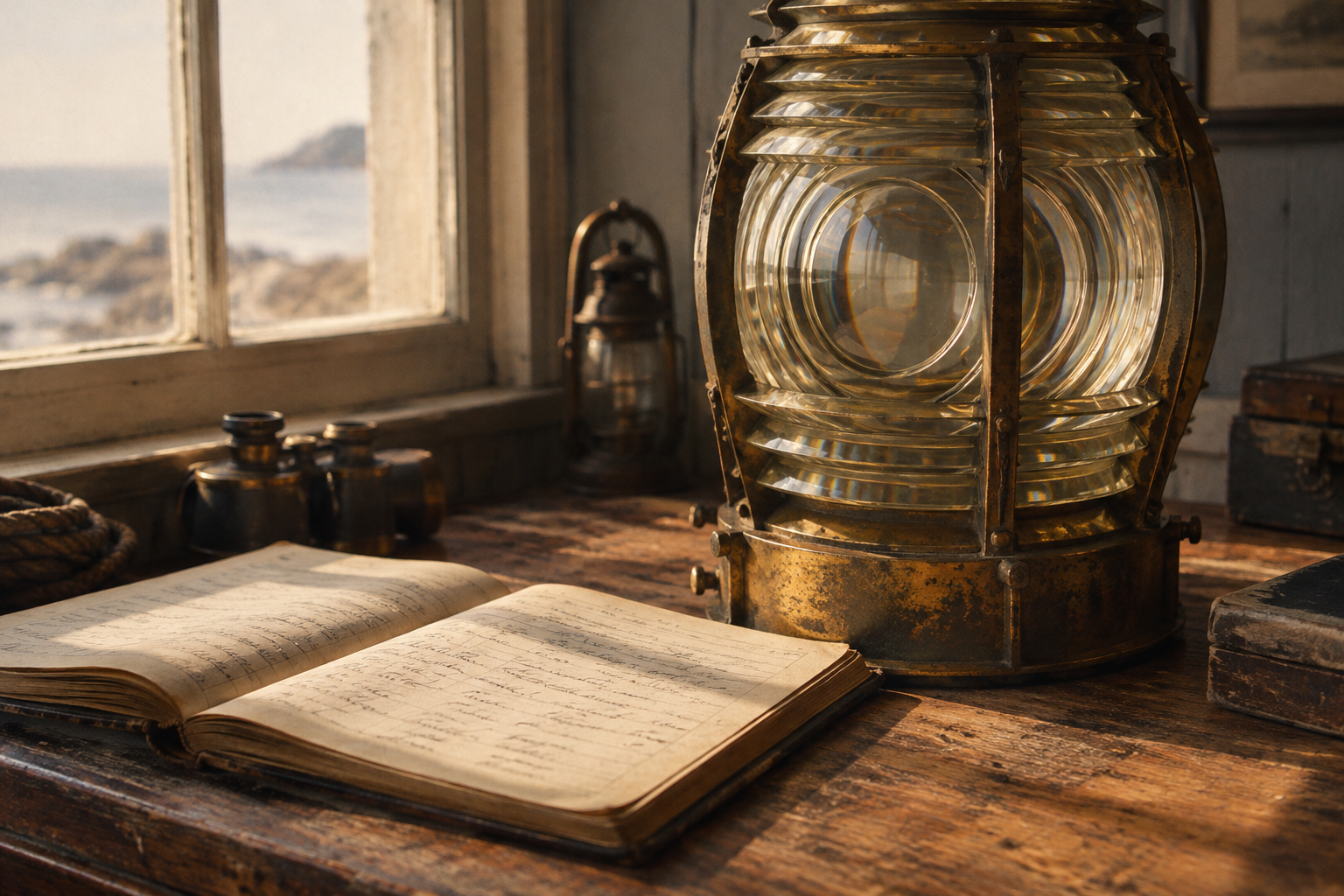
Weathered logbook
The written record joined observations of weather, equipment, and daily work.